How Often Should Business Signs Be Inspected? BS 559-2 Explained
Business signs should receive a physical, on-site inspection at least once every 12 months, according to BSGA (The British Signs and Graphics Association) guidance on BS 559-2:2026. The first inspection should take place within 12 months of installation. Some signs need more frequent inspections because of their condition, location or the risks involved.
For a business owner, landlord or facilities manager, the practical task is to know which signs you are responsible for and arrange suitable checks. A sign above a busy pavement, for example, needs careful consideration of both its condition and the people using the space below.
This guide explains what BS 559-2 means for looking after shop signs and other business signage, with advice for premises in Brighton & Hove, Burgess Hill, Haywards Heath and across Sussex.
What is BS 559 Part 2
BSGA has announced the publication of BS 559-2:2026, the British Standard covering the inspection and maintenance of interior and exterior signs once they are installed. It sits alongside BS 559-1:2023, which covers sign design, manufacture and installation.
Together, the two parts address how signs are made, installed and looked after throughout their service life. Part 2 covers a broad range of signs, including illuminated and non-illuminated signs, fixed and portable signs, digital displays and electronically changeable signage.
Specialist categories, including road traffic, fire safety, railway trackside and airside airport signs, have separate standards and guidance.
Is BS 559 Part 2 a legal requirement
BS 559-2 is a British Standard. British Standards are generally voluntary, although a standard can become relevant through a contract or a specific regulatory requirement.
The annual inspection provision comes from the standard. Check any requirements in your lease or maintenance contract alongside the wider legal duties that apply to your premises and signage.
A standard provides a recognised framework for good practice. Following it does not automatically fulfil every legal obligation.
How often should a business sign be inspected
In its publication announcement, BSGA describes a recommended minimum of one physical inspection a year, or within 12 months of installation or the previous inspection. Inspection planning should also take account of the individual sign and its surroundings.
Factors to consider include its age and condition, how it is constructed and supported, exposure to weather, access for inspection, and the consequences if a component fails. An older projecting sign above an entrance may need a different inspection plan from a small sign in a sheltered internal space.
Arrange additional professional advice when circumstances change, such as after storm damage, an impact, building work near the sign or signs of movement. Do not wait for the next scheduled inspection when a defect is apparent.
What should a sign inspection cover
Some defects are difficult to see from ground level. A physical inspection needs to consider the complete installation. Depending on the sign, this can include:
The agreed scope should reflect the sign and the risks involved. Ask the inspector to identify any areas that could not be accessed or assessed, together with any further investigation needed. A report is most useful when it explains what was checked and what action is required.
Who is responsible for looking after a sign
BSGA uses the term "sign holder" for the person or organisation responsible for a sign once it is in place. Depending on the circumstances, that could be the building owner, an occupier, a tenant or an appointed party.
For leased premises, establish who arranges inspections, who holds the records and who authorises maintenance or repairs. Where responsibility is shared, put the arrangements in writing through the appropriate lease or management agreement.
A useful first step is to create a register of your signs, their locations and the person responsible for each one. For organisations with several buildings, a site survey and signage audit can help establish what is installed and what information is missing.
What if the sign is old or its history is unknown
If you cannot establish when a sign was installed, its intended service life or when it was last inspected, tell the inspector. BSGA guidance indicates that an enhanced inspection regime may be needed to assess its condition and identify potential risks.
Age alone does not determine whether a sign needs replacing. The condition of its components, fixings and supporting structure matters. Our guide to how long a business sign should last explains the difference between a material durability rating and the life of the complete sign.
Can staff check the sign themselves
Staff can report changes they notice from a safe position, such as a panel moving, a letter becoming loose, cracking, rust staining or a lighting fault. These observations help you respond to developing problems between planned visits, but do not replace a competent physical inspection.
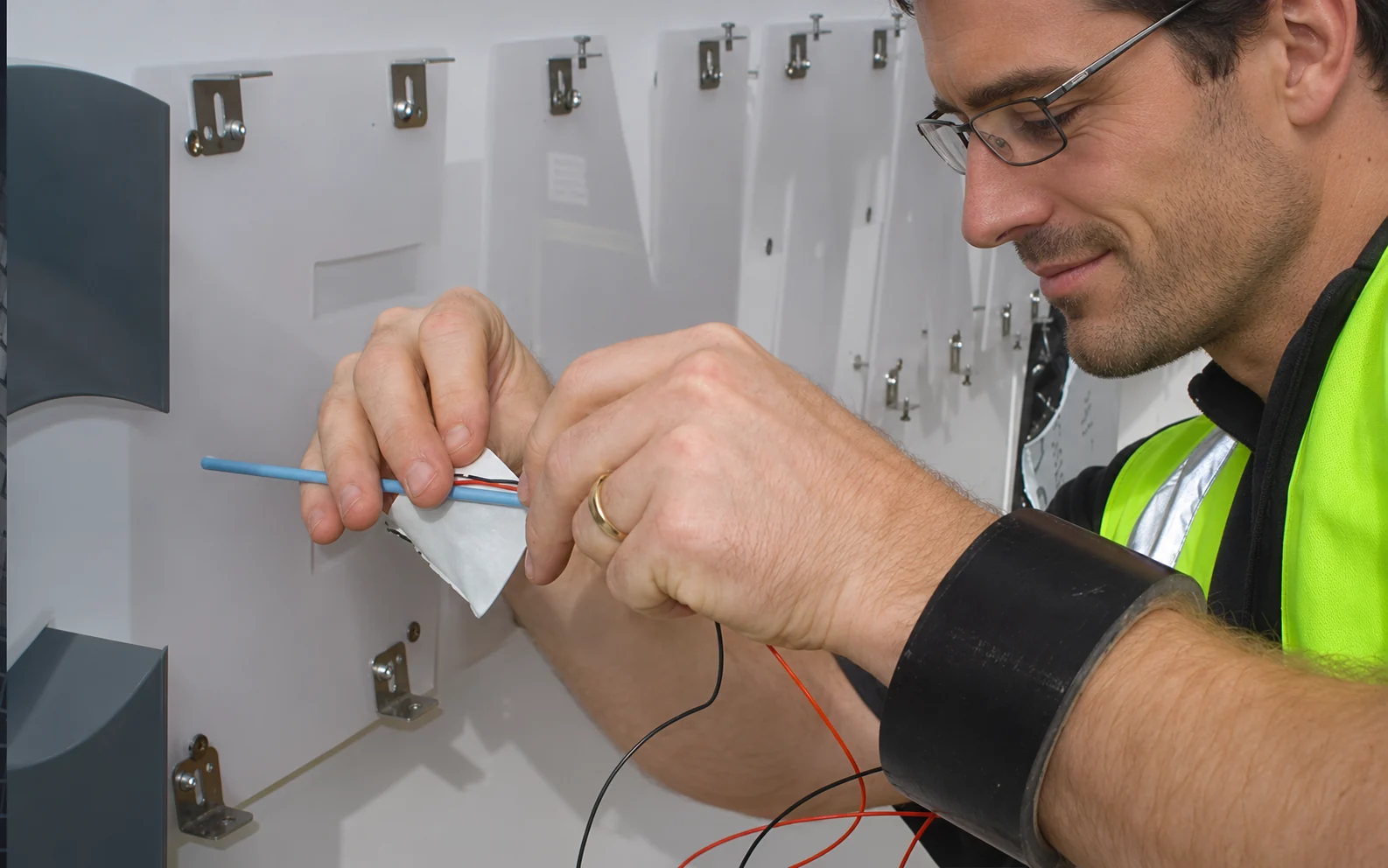
Physical inspection and maintenance should be carried out by people with the knowledge, skills, experience and equipment appropriate to the work. Depending on the installation, that can include competence in electrical work, working at height or structural assessment.
If a sign appears loose or damaged, keep people clear of the affected area and arrange prompt professional assessment. Staff should not climb up or dismantle it to investigate.
Why location matters for signs in Sussex
The inspection plan should reflect the actual site. For premises near the coast in Brighton, Hove, Worthing or Eastbourne, exposure to wind and salt is a reason to discuss the condition of finishes, metalwork and fixings with your sign company.
Inland premises need the same attention to their particular setting. A sign on an exposed industrial estate in Burgess Hill or Crawley can face different conditions from a sheltered shopfront in Haywards Heath. Height, nearby access routes and the people using the area also matter.
Agree a plan for the individual installation rather than assuming that one schedule suits every sign on your estate.
What records should you keep
Keep the installation and handover information, inspection reports, photographs and details of maintenance together. Record who is responsible, what defects were found, what action was agreed and when the next inspection is due.
When repairs are completed, retain the evidence so the next inspector can understand what has changed. For new signs, ask your supplier for the recommended inspection frequency, the scope of inspection and the maintenance requirements at handover.
This history is particularly useful when a building changes occupier or a different contractor takes over maintenance.
Does an inspection mean the sign must be replaced
An inspection should help establish the appropriate next step. Some signs may need cleaning or a repair; others may need further investigation, refurbishment or replacement. A lighting fault, for example, may be repairable without replacing the complete sign.
Discuss the findings and any urgent action with the inspector. Inspection records describe the condition assessed at the time and should be followed by the agreed maintenance and future checks.

Arrange sign inspection and maintenance in Sussex
The Sussex Sign Company has been helping businesses with their signage since 1995. We provide sign maintenance and repairs, including annual cleaning and inspection, attention to lighting faults and planned maintenance.
If you are responsible for a shopfront, office building, school, hotel or several business premises, speak to us about the signs you have and the checks they need.
Call 01273 424900 or contact our team. Send us photographs of your signs, their location and any installation or inspection records you hold. We can discuss the appropriate scope, access arrangements and quotation.
BSGA inspection checklists
BSGA provides two practical checklists to help sign holders and inspectors organise their records. They are available to download directly from the BSGA’s official guidance centre:
- Sign holder checklist — for building owners, landlords, tenants and facilities managers
- Sign inspection record — for sign companies and competent inspectors
These are BSGA resources for guidance only. They do not replace the full standard or professional inspection advice.
Further guidance
The BSGA BS 559 Guidance Centre provides information and practical resources. You can also watch Part 1 of the BSGA podcast series. The complete BS 559-2:2026 standard is available from BSI.
This article provides general information and does not replace the full standard or an assessment of your particular signs and premises.